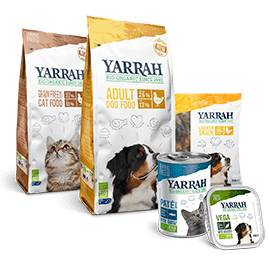
Pet Food Inspection

What to look for when inspecting Pet Food?

  • Ingredients check
  • Nutritional content check
  • Packaging integrity check
  • Expiration date check
  • Seal check
  • Texture check
  • Color check
  • Odor check
  • Foreign objects check
  • Moisture content check
  • Weight check
  • Labeling accuracy check
  • Batch code check
  • Presence of allergens check
  • Presence of artificial additives check
  • Presence of preservatives check
  • Presence of mold or fungus check
  • Taste test
  • Functionality of packaging (resealable, easy to open/close) check
List Checks Icon

32+ Checkpoints for inspection used by top retailers.

Clipboard Icon

Step-by-step instructions for performance and mechanical tests

Thumbs Up Icon

99.7% fully satisfied customer with over 200+ clients

Nancy Wan

Nancy Wan

Senior Supervisor at QCADVISOR, based in Chongqing, China. Nancy has deep expertise in toys and hardware categories, providing detailed and accurate inspection standards. Her hands-on experience ensures quality benchmarks reflect current manufacturing realities, effectively minimizing risks during production.

General Inspection Process

  1. Check the packaging for any signs of damage or tampering.
  2. Examine the label for the brand name, product name, and any specific claims or certifications.
  3. Ensure that the label includes a complete list of ingredients and nutritional information.
  4. Look for any expiration or best before dates to ensure the product is still within its shelf life.
  5. Inspect the kibble or pellets for any signs of mold, discoloration, or unusual texture.
  6. Check for any foreign objects or contaminants in the food, such as insects or debris.
  7. Assess the aroma of the product to ensure it smells fresh and appetizing.
  8. Examine the color of the food to ensure it matches the expected appearance for that specific product.
  9. Verify that the kibble size or shape is appropriate for the intended pet, considering their age and breed.
  10. Assess the overall texture of the food to ensure it is not overly dry, sticky, or clumpy.
  11. Check for any signs of excessive dust or powder in the packaging, which may indicate poor quality control.
  12. Inspect the packaging for any additional instructions or feeding guidelines.
  13. Look for any specific claims or benefits advertised on the packaging, such as dental health or weight management.
  14. Assess the overall condition of the packaging, including any tears, leaks, or damage that may affect the product’s freshness.
  15. Check for any seals or closures on the packaging to ensure it has not been previously opened.
  16. Examine the size and weight of the product to ensure it matches the stated quantity on the packaging.
  17. Verify that the product is suitable for the specific pet’s dietary needs, considering any allergies or sensitivities.
  18. Assess the reputation and credibility of the brand or manufacturer, considering any recalls or customer reviews.
  19. Look for any additional features or benefits, such as added vitamins or minerals, that may enhance the pet’s nutrition.
  20. Consider the price and value of the product, comparing it to similar options in the market.

Compliance & Lab Standards for Pet Food

When importing Pet Food from suppliers in China, Asia, or other global regions, making sure your products meet the right compliance standards and lab testing requirements is critical. Failing to comply with U.S., EU, or international regulations can result in customs delays, product recalls, or serious damage to your brand reputation. As your boutique QC partner, we help you think ahead.
Below are the key mandatory and recommended standards to keep your shipments compliant, safe, and trusted.

United States

Mandatory

  • FDA CFR Title 21: Requires compliance with food safety regulations for pet food.
  • AAFCO Standards: Pet food must meet nutritional adequacy standards.
  • FSMA (Food Safety Modernization Act): Ensures preventive controls for animal food safety.

Recommended

  • USDA Organic Certification: Ensures organic labeling compliance.
  • Non-GMO Project Verification: Certifies that pet food is free from genetically modified organisms.

European Union

Mandatory

  • EU Regulation (EC) No 767/2009: Governs the marketing and use of feed.
  • EU Regulation (EC) No 183/2005: Sets hygiene standards for feed manufacturing.
  • EU Regulation (EC) No 396/2005: Regulates pesticide residue levels in pet food.

Recommended

  • ISO 22000 Certification: Ensures comprehensive food safety management systems.
  • FEDIAF Guidelines: Provides nutritional guidelines for pet food production.

United Kingdom

Mandatory

  • UK Feed Law: Compliance with EU feed regulations post-Brexit.
  • DEFRA Animal Feed Regulations: Sets safety and hygiene standards for pet food.

Recommended

  • BRCGS Certification: Global standard for food safety practices.
  • Soil Association Organic Certification: Validates organic claims in pet food.

Canada

Mandatory

  • Canadian Food Inspection Agency (CFIA) Regulations: Ensures safety and labeling compliance for pet food.
  • Health Canada’s List of Permitted Food Additives: Governs additives in pet food.

Recommended

  • Safe Food for Canadians Regulations (SFCR): Encourages comprehensive food safety practices.
  • Organic Certification: Validates organic claims aligning with Canadian standards.

Australia

Mandatory

  • Australian Standard AS 5812: Sets manufacturing and labeling standards for pet food.
  • Australian Pesticides and Veterinary Medicines Authority (APVMA): Regulates pesticide residues in pet food.

Recommended

  • HACCP Certification: Encourages proactive food safety management.
  • Organic Certification: Validates organic claims under Australian standards.

Gulf Countries

Mandatory

  • Gulf Standardization Organization (GSO) Regulations: Sets requirements for pet food safety and quality.
  • GCC Standardization Organization (GSO) 2055-1: Regulates organic products, including pet food.

Recommended

  • ISO 9001 Certification: Encourages quality management systems.
  • Halal Certification: Required for products labeled as Halal.

Singapore

Mandatory

  • Agri-Food & Veterinary Authority (AVA) Regulations: Ensures safety and import compliance for pet food.
  • Sale of Food Act: Regulates labeling and safety of pet food products.

Recommended

  • HACCP Certification: Supports enhanced food safety measures.
  • Organic Certification: Validates organic claims in alignment with Singapore standards.

Hong Kong

Mandatory

  • Public Health (Animal and Birds) (Chemical Residues) Regulation: Controls chemical residues in pet food.
  • Import and Export Ordinance: Requires permits for importing pet food.

Recommended

  • ISO 22000 Certification: Promotes robust food safety management systems.
  • Organic Certification: Supports organic claims for pet food.

Trusted By Icon Trusted Worldwide

Need more details on Pet Food Checklist?
Pet Food

What is inside this checklist

  • Moisture content test
  • Protein content test
  • Fat content test
  • Ash content test
  • Fiber content test
  • Vitamin analysis test
  • Mineral analysis test
  • Heavy metal analysis test
  • Microbiological analysis test
  • Shelf-life testing

Trusted By Icon WITHIN 24 HOURS

Factory Audit

  • Avoid scams and unqualified suppliers.
  • Choose the audit scope that suits you the best.
  • Arrange a factory visit and thorough supplier evaluation and facility inspection within 24h in China or elsewhere in Asia.
Arrange a Factory Visit

Trusted By Icon 0% DEFECTS. 100% CONFIDENCE.

Product Inspection

  • Pre-production qualification.
  • Production inspection and monitoring.
  • Pre-Shipment Inspection.
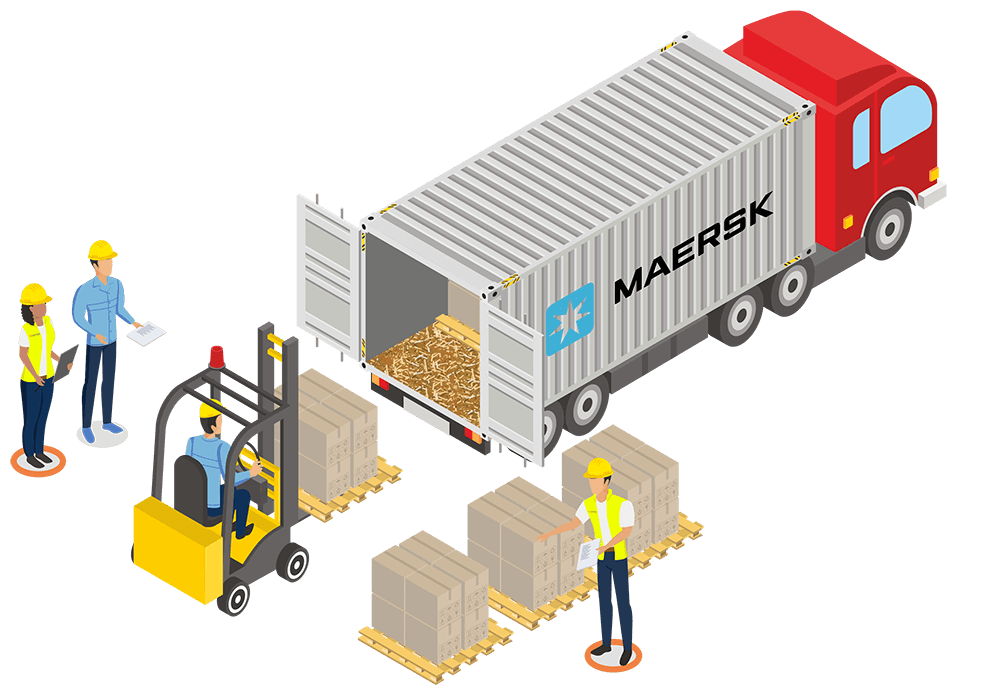
  • Container Loading Inspection
Ship Defect Free Products

Join the league of successful brands who never compromise on quality.

With QCADVISOR, embrace the advanced techniques that set market leaders apart. Are you ready to level up?

Email Us:

contact@qcadvisor.com

Call Us:

+1 737 334 8058

Hong Kong Office:

Room A08, 17/F, Billion Plaza 2,
10 Cheung Yue Street, Cheung Sha Wan, Kowloon, Hong Kong

Shenzhen Office:

7C1-A707, 7th Floor, Tianxiang Building, Tian’an Digital City, No.12, Tairan 5th Road, Tian’an Community, Shatou Street, Futian District, Shenzhen, China